By
By Ask most people what separates hemp from marijuana and you’ll get a lot of guesses — different plants, different strength, different intent. The real answer is simpler and stranger than most people expect: legally speaking, hemp and marijuana are the same plant species. The line between them comes down to a single number.
The Number That Decides Everything
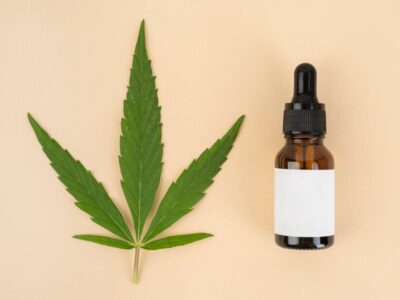
Both hemp and marijuana are Cannabis sativa. What separates them, under U.S. federal law, is THC concentration. Hemp is legally defined as cannabis containing 0.3% THC or less by dry weight. Anything above that threshold is classified as marijuana, regardless of how the plant looks, smells, or was grown. That 0.3% figure isn’t a scientific dividing line based on effects — it’s a regulatory threshold that was set into law with the 2018 Farm Bill, and it’s the reason hemp-derived CBD products are legal in far more places than marijuana products are.
Why This Distinction Exists
Before the Farm Bill, hemp and marijuana were treated identically under federal law, both classified as Schedule I controlled substances, despite hemp having a long history as an industrial crop used for fiber, seed, and oil, largely without any intoxicating effect. The 2018 Farm Bill federally legalized hemp cultivation and hemp-derived products, as long as they stayed under that 0.3% THC ceiling. That single legislative change is why the CBD industry expanded as quickly as it did — hemp-derived CBD became federally legal, while marijuana-derived CBD remained restricted by the same laws that govern marijuana generally.
Where It Gets Complicated
- State law still varies: federal legality doesn’t automatically mean a product is legal everywhere — some states impose additional restrictions on hemp-derived products, especially ones with higher concentrations of minor cannabinoids like THCA or Delta-8.
- THCA is a gray area: raw cannabis flower can test under 0.3% THC but convert to much higher THC levels when heated, which is part of why hemp-derived THCA flower has become such a contested category in recent years.
- Marijuana legality is separate and state-by-state: even where marijuana is legal for medical or recreational use, that legality exists at the state level and doesn’t change its federal classification.
Why It Matters for Consumers
Understanding this distinction actually affects real purchasing decisions. Hemp-derived CBD products with low THC can typically be shipped across state lines and purchased without the age and licensing restrictions that apply to marijuana dispensaries. Marijuana products, even ones chemically similar to a hemp product, are bound by an entirely different, more restrictive set of rules. Two products can look nearly identical and test with similar cannabinoid profiles, yet be regulated completely differently depending on which side of that 0.3% line they land on.
The Bottom Line
Hemp and marijuana aren’t different species — they’re the same plant, divided by a legal threshold rather than a botanical one. That threshold has shaped an entire industry, determining what can be sold online, shipped nationally, or restricted to state-licensed dispensaries. As cannabinoid science and state regulations continue to evolve, that 0.3% line is likely to stay at the center of ongoing legal and industry debates.
Note:- This article is for general informational purposes and isn’t legal advice. Cannabis and hemp laws vary by state and change frequently — check current local regulations before purchasing or traveling with any hemp or cannabis product.