By
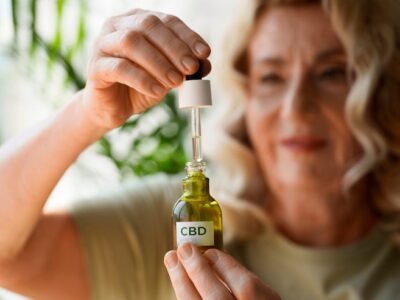
By CBD oil labels can look deceptively simple — a bottle, a dropper, a number in milligrams — but there’s more information packed onto that label than most first-time buyers realize, and knowing how to read it properly is the difference between an informed purchase and a guess.
Total CBD vs. CBD Per Serving
This is the single most common point of confusion. A bottle might say “1000mg CBD” in bold letters, but that number typically refers to the total amount of CBD in the entire bottle, not in a single dose. To find out how much CBD is actually in one serving, you need to divide the total milligrams by the number of servings the bottle contains — information that’s usually printed in smaller text nearby. Skipping this step is the easiest way to end up taking far less (or far more) CBD than intended.
Spectrum Type
Every legitimate CBD oil label should specify whether the product is full-spectrum, broad-spectrum, or isolate. This tells you whether the oil contains trace THC and other cannabinoids (full-spectrum), a similar cannabinoid range without THC (broad-spectrum), or pure CBD alone (isolate). If a label doesn’t specify this clearly, that’s worth treating as a red flag rather than an oversight.
The Ingredient List
Beyond CBD itself, check what the oil is suspended in — commonly MCT oil, hemp seed oil, or olive oil. These carrier oils affect both absorption and shelf life. A short, recognizable ingredient list is generally a good sign; a long list of fillers, artificial flavors, or unnecessary additives is worth a second look, especially in a product marketed as a natural wellness item.
Certificate of Analysis (COA)
- What it is: an independent lab report confirming the product’s actual cannabinoid content and screening for contaminants like heavy metals, pesticides, and residual solvents.
- How to find it: reputable brands include a QR code or batch number on the label that links directly to the COA for that specific batch — not just a generic report for the product line.
- What to check: confirm the lab-tested CBD amount roughly matches what’s advertised on the label, and that THC content falls within the legal 0.3% threshold.
Batch Number and Expiration Date
A batch number matters because it ties the bottle in your hand to a specific, traceable COA rather than a generic marketing claim. Combined with a manufacture or expiration date, it also tells you how fresh the product is — CBD oil can degrade over time, especially if it’s been sitting on a shelf or exposed to heat and light.
Putting It All Together
A trustworthy CBD oil label gives you total CBD content, CBD per serving, spectrum type, a clear ingredient list, a batch-specific COA, and a manufacture or expiration date — all without requiring a magnifying glass to find. If a bottle is missing several of these, or makes bold health claims without backing them up with any lab documentation, that’s a sign to keep looking rather than a detail to overlook.
Note:- This article is for general informational purposes and isn’t medical advice. Consult a healthcare provider before starting any CBD product, particularly if you take other medications.